
Trending
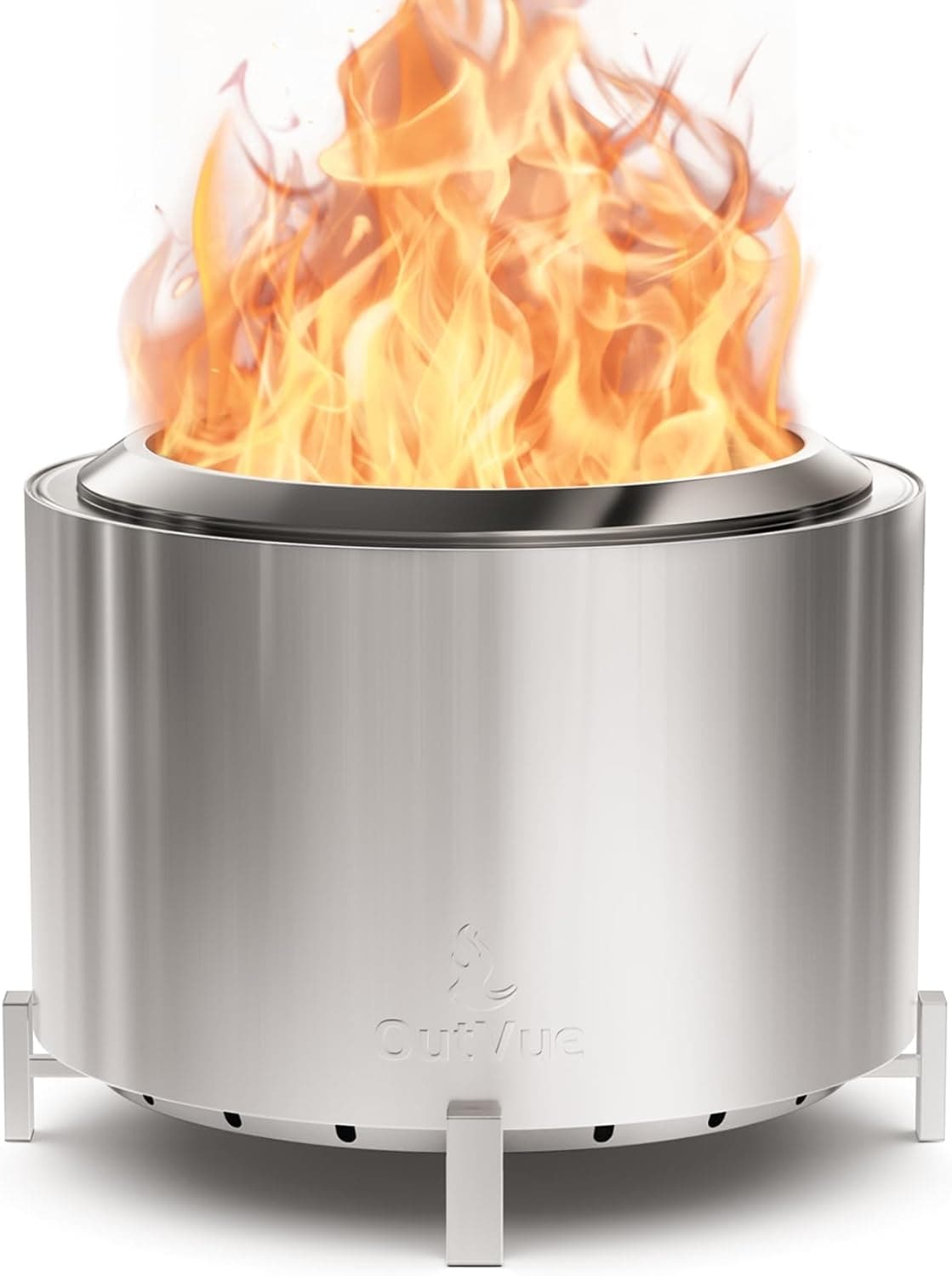
Solo Stove Bonfire Smokeless Fire Pit
Virtually smokeless. Sits on the patio without ruining everyone's clothes.
$161.99Check It Out
May 1, 2026 · 5 min read
A fire pit turns any outdoor space into somewhere people actually want to be. The category runs from a $30 ring at the hardware store to a $500 engineered system. Here's what actually matters when choosing one — and why the technology in the design matters more than most people realize.
Wood-burning fire pits require wood, produce real smoke, and give you the genuine campfire experience — crackling wood, visible flame, that smell. Gas fire pits connect to propane or natural gas, turn on with a switch, and produce no smoke. Cleaner, more convenient, appropriate for patios where smoke bothers neighbors or HOA rules restrict wood burning. For the authentic outdoor experience: wood. For a back patio in a neighborhood: gas is often the practical choice.
Traditional fire pits smoke because combustion is incomplete — unburned particles come out as smoke. Smokeless designs like the Solo Stove use a double-wall construction: air enters at the bottom, heats inside the walls, and secondary air jets near the top inject preheated air into the flame. This secondary burn consumes most of the smoke before it escapes. Not truly smokeless — you'll see some during startup and when adding wood — but dramatically less than a conventional fire pit. You can sit around it without your clothes smelling like a campfire afterward.
A portable stainless fire pit like the Solo Stove Bonfire weighs about 20 lbs, moves in five minutes, and works anywhere: backyard, campsite, tailgate, beach. If your outdoor space changes or you want to take it camping, portability is the right call. A permanent in-ground or heavy stone fire pit is the right choice only if you have a dedicated entertaining area and never need to move it. Most people getting their first serious fire pit end up happier with portable — flexibility as the outdoor space evolves.
The Solo Stove Bonfire is 19.5 inches in diameter — right for 3–6 people seated around it. The larger Yukon model (27 inches) suits bigger groups. Going too small in a large backyard leaves people far from the heat. Going too large on a small patio is a fire safety problem. Rule of thumb: measure the space, leave 3 feet of clearance on all sides from anything combustible, and choose a diameter that fits comfortably in the remaining footprint.
A good fire starter kit makes the difference between a fire that catches in five minutes and one you're still coaxing at 30. The best approach: dry kindling, fire starter material (fatwood, wax cubes, or a magnesium striker with tinder), and a proper light. A comprehensive fire starter kit with multiple methods lets you get a fire going reliably even when conditions aren't perfect. The Solo Stove also starts faster when you get a strong base of hot coals going quickly at the bottom.
Virtually smokeless. Sits on the patio without ruining everyone's clothes.
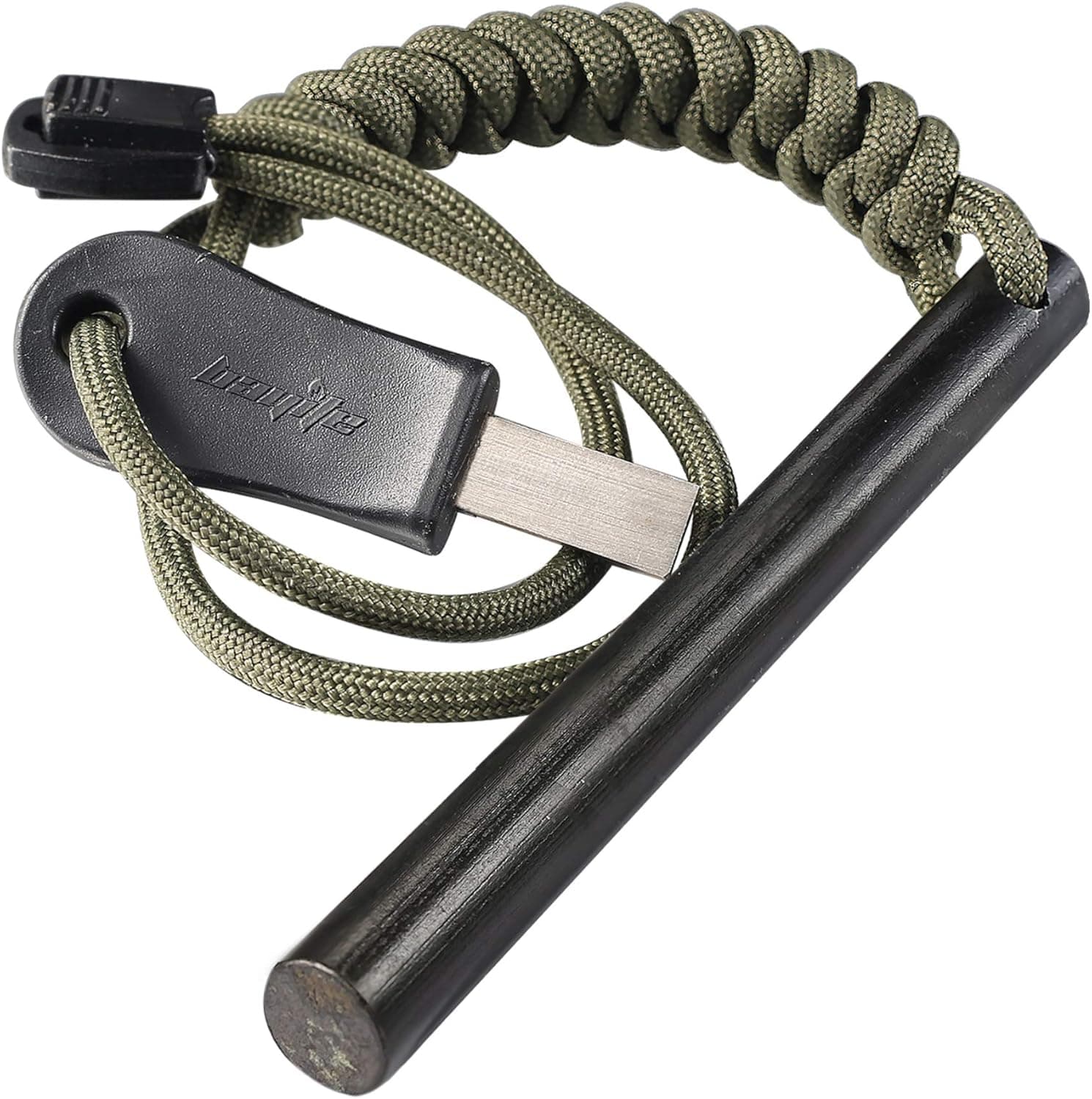
Ferro rod, natural tinder, and a waterproof case. For when the lighter decides not to show up.
SpangledStuff may earn a commission if you buy through links on this site, at no extra cost to you. Product prices and availability may change — always verify on the retailer's page before purchasing. Learn more